Colorado Farmers Markets: Your Complete Guide to Fresh Food, Local Communities, and Seasonal Shopping Across Colorado
Discovering Colorado One Farmers Market at a Time
Colorado is known around the world for its towering mountain peaks, scenic highways, vibrant cities, and endless outdoor recreation. Yet beyond the hiking trails, ski resorts, and national parks is another side of the Centennial State that has helped shape its identity for generations its rich agricultural heritage.
From orchards on the Western Slope to ranches on the Eastern Plains and family farms stretching across the Front Range, agriculture continues to play a vital role in Colorado’s economy and communities. One of the most enjoyable ways to experience that heritage is by visiting a local farmers market.
Throughout the growing season, communities across Colorado host farmers markets that bring together growers, ranchers, bakers, food producers, artists, and small business owners. These weekly events provide opportunities to purchase seasonal produce, discover handcrafted products, and connect with the people who help make Colorado’s agricultural industry so diverse.
At Progressive Property Group, we believe that getting to know a community involves more than exploring homes or learning about neighborhoods. It’s also about discovering the local businesses, traditions, and gathering places that contribute to everyday life. Farmers markets offer a unique way to experience communities across Colorado while supporting local agriculture and small businesses.
Whether you’re planning a weekend road trip, searching for fresh seasonal produce, or simply looking for a new way to explore the state, Colorado’s farmers markets provide something worth discovering in every region.
Colorado’s Agricultural Heritage
Colorado’s geography creates one of the most diverse agricultural landscapes in the United States. While many people associate the state with mountains, nearly half of Colorado’s land is dedicated to agriculture. Snowmelt from the Rocky Mountains feeds rivers and irrigation systems that support farms throughout fertile valleys, while the state’s abundant sunshine and cool evenings help produce flavorful fruits and vegetables.
Different regions specialize in different crops. The Western Slope is known for peaches, cherries, apples, pears, and wine grapes. Northern Colorado produces vegetables, onions, sweet corn, dairy products, and grains. Southern Colorado has earned national recognition for Pueblo chiles, while the San Luis Valley is one of the country’s leading potato-producing regions. Eastern Colorado contributes significantly to cattle production, wheat, corn, sunflowers, and other crops that support both local and national food systems.
This agricultural diversity is reflected in farmers markets across the state, where shoppers often find products harvested only hours before reaching market tables.
Why Farmers Markets Continue to Thrive
Farmers markets have become much more than places to purchase fresh food. They serve as community gathering spaces where neighbors meet, local businesses connect with customers, and visitors experience the character of a town or city.
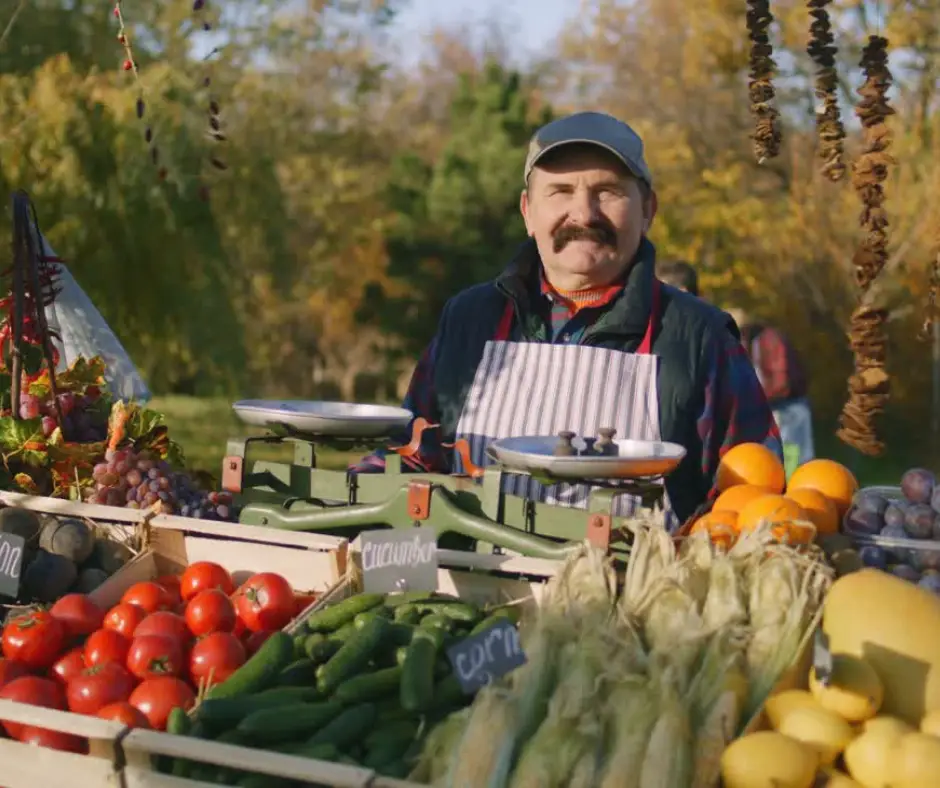
Walking through a Colorado farmers market often means hearing live music, smelling freshly baked bread, discovering handcrafted products, and talking directly with growers about what’s currently in season. Many markets also feature nonprofit organizations, educational booths, food vendors, and activities that create a welcoming atmosphere for visitors of all ages.
Unlike grocery stores, where produce selections remain relatively consistent throughout the year, farmers markets showcase the changing rhythm of Colorado’s growing season. Every visit offers something new as different fruits, vegetables, flowers, and specialty products become available.
Understanding Colorado’s Growing Season
Colorado’s climate presents unique opportunities for agriculture. Because much of the state sits at higher elevations, the growing season is generally shorter than in many other parts of the country. Weather patterns, late spring frosts, summer rainfall, and autumn temperatures all influence what is available throughout the season.
Most outdoor farmers markets begin operating in May or early June and continue through September or October, although some communities also host winter markets featuring baked goods, meats, cheeses, preserved foods, and artisan products.
Spring visitors will often find leafy greens, herbs, radishes, and greenhouse-grown vegetables. By midsummer, market tables become filled with tomatoes, cucumbers, peppers, beans, sweet corn, cherries, and apricots. August is widely considered the peak of Colorado’s harvest season, bringing famous Palisade peaches, melons, garlic, onions, fresh herbs, and an impressive variety of locally grown produce. As autumn approaches, apples, pumpkins, winter squash, potatoes, chile peppers, and root vegetables become seasonal favorites.
Because agriculture depends on weather conditions, each growing season offers its own unique experience.
What You’ll Find at a Colorado Farmers Market
Every farmers market has its own personality, but most celebrate the diversity of Colorado agriculture and entrepreneurship. Alongside colorful displays of seasonal fruits and vegetables, visitors often discover fresh flowers, artisan breads, locally roasted coffee, honey, handmade soaps, specialty foods, cheeses, eggs, jams, and handcrafted gifts created by Colorado makers.
Many vendors are happy to share information about their farms, growing practices, or favorite recipes. These conversations help create a shopping experience that is both educational and enjoyable, giving visitors a greater appreciation for the work that goes into producing local food.
Supporting these businesses also helps strengthen Colorado’s agricultural economy and encourages continued investment in locally owned farms and food producers.
Denver Metro Farmers Markets
The Denver metropolitan area is home to some of Colorado’s largest and most visited farmers markets. Because of the city’s central location, vendors often travel from agricultural regions across the state, bringing together products from the Western Slope, Northern Colorado, the Arkansas Valley, and surrounding communities.
Visitors can expect to find an ever-changing selection of seasonal produce, baked goods, flowers, locally prepared foods, artisan products, and specialty beverages. Many markets also include live entertainment and family-friendly activities that encourage visitors to spend time exploring nearby businesses and public spaces.
One of the advantages of shopping at Denver-area markets is the variety available throughout the season. A single visit may include peaches from the Western Slope, sweet corn from Northern Colorado, honey from local apiaries, fresh breads from neighborhood bakeries, and handcrafted goods produced by Colorado artisans.
Several markets also participate in nutrition assistance programs, including SNAP/EBT and other food access initiatives where available, helping improve access to fresh, locally produced food for eligible shoppers.
Boulder County and Northern Colorado
Boulder County and Northern Colorado have long embraced local agriculture as an important part of community life. The combination of productive farmland, innovative food producers, and environmentally conscious consumers has helped create thriving farmers markets throughout the region.
Cities such as Boulder, Longmont, Fort Collins, Loveland, Greeley, and Windsor host seasonal markets that showcase everything from freshly harvested vegetables to artisan cheeses, locally roasted coffee, handcrafted soaps, baked goods, flowers, and specialty foods.
Many growers operate family farms that have served Colorado communities for generations, while newer producers continue to introduce innovative agricultural practices and specialty products. The result is a vibrant mix of traditional farming and modern entrepreneurship that reflects the region’s continued growth.
For visitors, these markets offer more than an opportunity to purchase fresh ingredients. They provide a chance to experience the unique personality of Northern Colorado communities, explore local downtown districts, and discover businesses that contribute to the area’s economic vitality.
As Progressive Property Group helps clients navigate Colorado’s diverse real estate market, we know that understanding a community often begins with experiences like these. Spending a Saturday morning at a local farmers market can offer valuable insight into the people, businesses, and traditions that make each community distinctive.
Colorado Springs and the Pikes Peak Region
Nestled at the foot of Pikes Peak, Colorado Springs offers a unique blend of urban convenience and outdoor adventure, and its farmers markets reflect that same balance. During the growing season, residents and visitors can explore markets featuring produce harvested from nearby farms, specialty foods crafted by local businesses, and handmade products created by regional artisans.
Although the area’s higher elevation creates a shorter growing season than some other parts of Colorado, local growers make the most of the warm summer months. As harvest progresses, market tables become filled with tomatoes, peppers, cucumbers, squash, herbs, leafy greens, garlic, onions, and colorful bouquets of locally grown flowers. Many vendors also travel from neighboring agricultural regions, allowing shoppers to enjoy fresh fruit from the Western Slope and produce from the Arkansas Valley alongside products grown closer to home.
What makes the Pikes Peak region especially inviting is the sense of community that accompanies many of its markets. Families gather to enjoy breakfast from local food vendors, musicians provide live entertainment, and small businesses have an opportunity to introduce their products to new customers. Rather than simply serving as places to shop, these markets have become seasonal traditions that encourage people to spend time outdoors while supporting Colorado entrepreneurs.
For those who are new to the area or considering making Colorado home, visiting a local farmers market offers an authentic introduction to the community. It’s an opportunity to experience the pace of everyday life, discover local businesses, and meet many of the people who help shape the region’s character.
Southern Colorado
Southern Colorado has long been recognized for its strong agricultural roots. Communities such as Pueblo, Cañon City, Trinidad, and surrounding areas continue to produce a wide variety of crops thanks to the fertile Arkansas River Valley and generations of farming expertise.
No discussion of Southern Colorado agriculture would be complete without mentioning the Pueblo chile. Each summer and early autumn, these peppers become one of the state’s most anticipated seasonal harvests. Their popularity extends well beyond Colorado, and they have become closely associated with the region’s agricultural identity.
Local farmers markets throughout Southern Colorado also feature melons, sweet corn, tomatoes, onions, squash, pumpkins, herbs, and numerous other seasonal crops. Alongside fresh produce, shoppers often discover homemade baked goods, locally produced honey, handcrafted gifts, specialty foods, and products created by family-owned businesses that have served their communities for many years.
The welcoming atmosphere found at these markets reflects the region’s deep appreciation for agriculture and local entrepreneurship. Visitors often find themselves lingering long after they’ve finished shopping, enjoying conversations with vendors and exploring nearby businesses that contribute to the vitality of local downtown districts.
The San Luis Valley
Stretching across south-central Colorado, the San Luis Valley is one of North America’s highest agricultural regions. Despite its high elevation and relatively short growing season, the valley remains an essential contributor to Colorado agriculture.
The region is perhaps best known for its potatoes, which are shipped throughout the country, but local farms also produce barley, alfalfa, garlic, leafy greens, carrots, and other specialty crops. Farmers markets in communities across the valley showcase these products alongside fresh baked goods, locally produced honey, eggs, preserves, and handcrafted items made by area artisans.
Visiting a market in the San Luis Valley offers more than an opportunity to purchase locally grown food. It also provides insight into the resilience of Colorado agriculture and the families whose dedication continues to sustain farming traditions in one of the state’s most distinctive landscapes.
The Western Slope
For many Coloradans, the Western Slope represents the heart of the state’s fruit production. Warm summer temperatures, abundant sunshine, and carefully managed irrigation create ideal conditions for orchards and vineyards throughout Mesa, Delta, and Montrose counties.
Each year, thousands of people eagerly anticipate the arrival of Palisade peaches, whose sweet flavor has earned recognition far beyond Colorado’s borders. During peak harvest, farmers markets throughout the region become vibrant showcases for peaches, cherries, apricots, plums, pears, apples, and wine grapes. These seasonal favorites are joined by tomatoes, peppers, melons, garlic, onions, squash, and countless other crops harvested from nearby farms.
The Western Slope is also home to wineries, specialty food producers, artisan bakeries, coffee roasters, cheesemakers, and craft vendors whose products reflect the creativity and entrepreneurial spirit of the region. A visit to one of the area’s farmers markets often becomes an opportunity to experience Colorado’s agricultural diversity in one convenient location while enjoying the scenic beauty that makes western Colorado a popular destination throughout the year.
Mountain Communities
Colorado’s mountain towns offer a farmers market experience unlike any other. Communities including Breckenridge, Frisco, Vail, Aspen, Steamboat Springs, Telluride, and Crested Butte host seasonal markets that combine breathtaking scenery with locally produced goods.
Because farming at higher elevations presents unique challenges, many vendors travel from surrounding valleys where growing conditions are more favorable. This creates an impressive selection of fresh produce while allowing local artists, bakers, jewelers, woodworkers, and specialty food producers to showcase their work alongside agricultural vendors.
The result is a lively marketplace where visitors can purchase locally roasted coffee, artisan breads, handcrafted gifts, fresh flowers, seasonal vegetables, and Colorado-made products while enjoying some of the state’s most iconic mountain settings. These markets have become popular weekend destinations for both residents and travelers seeking a relaxed way to experience local culture.
Eastern Colorado
Although many visitors associate Colorado primarily with mountains, the state’s eastern plains remain one of its most productive agricultural regions. Expansive fields of wheat, corn, sunflowers, and dry beans stretch across the landscape, while cattle ranches and family farms continue traditions that have supported rural communities for generations.
Farmers markets throughout Eastern Colorado may be smaller than those found in metropolitan areas, but they play an important role in connecting consumers with locally grown food and locally owned businesses. Their smaller scale often creates opportunities for meaningful conversations with growers who are passionate about sharing their knowledge and products with the community.
These markets also highlight the diversity of Colorado agriculture, reminding visitors that the state’s food production extends well beyond its mountain communities.
Experiencing Colorado Through the Seasons
One of the greatest advantages of shopping at farmers markets is the opportunity to experience Colorado’s changing seasons through fresh, locally harvested food.
Spring brings crisp greens, herbs, radishes, and greenhouse-grown vegetables that signal the beginning of another growing season. Summer gradually introduces cherries, apricots, cucumbers, peppers, tomatoes, and sweet corn before reaching its peak in August with Palisade peaches, melons, garlic, onions, beans, and countless other seasonal favorites. As autumn arrives, market tables transform once again with apples, pumpkins, winter squash, potatoes, chile peppers, and root vegetables that celebrate Colorado’s fall harvest.
Because weather conditions influence every growing season, each visit offers a slightly different experience, encouraging shoppers to return throughout the year to discover what’s fresh and newly available.
Supporting Colorado’s Agricultural Economy
Every purchase made at a farmers market represents more than a transaction. It supports Colorado farmers, ranchers, bakers, food producers, artisans, and entrepreneurs who contribute to the state’s diverse economy.
Many vendors participate in the Colorado Proud program administered by the Colorado Department of Agriculture, helping consumers identify products that are grown, raised, or processed within the state. Shopping locally helps strengthen relationships between producers and consumers while celebrating Colorado’s long-standing agricultural traditions.
At Progressive Property Group, we appreciate the role that local businesses and community events play in creating vibrant places to live. Farmers markets provide opportunities to explore neighborhoods, discover small businesses, and experience the traditions that make communities across Colorado unique.
Whether you’re visiting a mountain town for the weekend, spending a Saturday morning in downtown Colorado Springs, or exploring one of the state’s many agricultural regions, farmers markets offer a welcoming way to experience Colorado’s culture, history, and local flavor.
Tips for Making the Most of Your Farmers Market Visit
Whether you’re a regular market shopper or planning your first visit, a little preparation can make the experience even more enjoyable. Bringing reusable shopping bags, arriving earlier in the day for the best selection, and checking a market’s website before you go are simple ways to help ensure a successful visit.
Colorado weather is another factor worth keeping in mind. Summer afternoons can bring sudden thunderstorms, especially in higher elevations, so checking the forecast and dressing appropriately can make your visit more comfortable.
Above all, take time to explore. Farmers markets are about more than shopping they’re an opportunity to meet local growers, learn about seasonal foods, and discover businesses that contribute to Colorado’s thriving communities.
Why Farmers Markets Matter
Farmers markets have become an important part of Colorado’s local economy by creating direct connections between producers and consumers. They give farmers, ranchers, bakers, food producers, and artisans the opportunity to sell their products while allowing shoppers to learn more about where their food comes from.
These markets also encourage people to spend time in downtown districts, parks, and neighborhood gathering spaces, supporting nearby restaurants, coffee shops, boutiques, and other locally owned businesses. The result is an economic ripple effect that benefits entire communities.
While every market is different, they all share a common goal: celebrating Colorado’s agricultural heritage while providing opportunities for people to connect with one another through food, local products, and shared experiences.
Exploring Colorado One Community at a Time
One of the most rewarding aspects of visiting farmers markets is discovering how each Colorado community expresses its own identity. A market in a mountain town offers a different experience than one on the Eastern Plains, while markets in Denver reflects a different mix of vendors than a small-town gathering on the Western Slope.
These differences are part of what makes exploring Colorado so rewarding. Every region contributes something unique to the state’s agricultural story, and every market offers visitors an opportunity to experience local traditions firsthand.
At Progressive Property Group, we understand that a community is about much more than its streets or homes. It’s about the people, businesses, traditions, parks, events, and gathering places that create a sense of connection. Farmers markets are one example of how Colorado communities come together to celebrate local agriculture, support small businesses, and enjoy the changing seasons.
Whether you’ve lived in Colorado for decades or recently arrived, exploring a local farmers market is a simple way to experience the state’s diverse regions while supporting the people who help make them thrive.
What to Take Away
Colorado’s farmers markets offer far more than fresh fruits and vegetables. They represent generations of agricultural tradition, entrepreneurial spirit, and community pride found throughout the Centennial State. From the orchards of the Western Slope and the potato fields of the San Luis Valley to the bustling markets of the Front Range and the close-knit communities of the Eastern Plains, every region contributes to Colorado’s rich agricultural landscape.
As each growing season unfolds, these markets provide opportunities to discover locally produced foods, meet the people behind Colorado’s farms and small businesses, and experience communities from a new perspective. Whether you’re planning a weekend outing, searching for seasonal ingredients, or simply looking for a new way to explore the state, Colorado’s farmers markets continue to offer something fresh with every visit.
At Progressive Property Group, we’re proud to celebrate the communities that make Colorado such a remarkable place to live, work, and explore. We hope this guide encourages you to visit a farmers market near you, support local agriculture, and discover even more of what makes Colorado special.
Progressive Property Group is committed to compliance with the Fair Housing Act and all state and federal fair housing laws. We do business in accordance with equal housing opportunity