Rental Turnover in Colorado Springs: What Happens Between Leases?
A closer look at how Colorado Springs rental properties are reviewed, maintained, prepared, and positioned for the next lease.
Integrity
Excellence
Exceptional service is more than a goal it's our standard. We strive to create positive experiences by being responsive, proactive, and solution-oriented. Our team is dedicated to providing personalized support, addressing concerns efficiently, and ensuring every client and resident feels valued throughout their experience with Progressive Property Group.
Innovation
Community
Growth
Rental Turnover in Colorado Springs

What Happens Between Leases?
When a resident hands over the keys at the end of a lease, it may seem like one rental cycle has simply come to an end. For a property owner, however, another important phase is just beginning.
The period between one resident moving out and another moving in is often called the rental turnover period. From the outside, it can look simple. The resident moves out, the home is cleaned, a listing is posted, and the next lease begins.
In reality, there is much more happening behind the scenes.
A thoughtful turnover may involve reviewing the property’s condition, documenting changes, coordinating repairs, handling maintenance, arranging cleaning, evaluating whether updates are worthwhile, preparing the home for photographs, reviewing rental pricing, and getting the property ready for the next leasing process.
At Progressive Property Group, we believe the time between leases deserves just as much attention as the lease itself. A well-managed turnover is not only about filling a vacancy. It is about protecting the property, maintaining clear records, addressing important maintenance needs, and preparing the home carefully for its next chapter.
The Turnover Process Often Starts Before Move-Out
A successful turnover does not always begin the day after a resident leaves. Whenever possible, preparation starts before the lease officially ends.
There may be dates to confirm, property records to review, vendors to contact, and upcoming maintenance needs to anticipate. Owners may also want to consider whether the home should be rented again in substantially the same condition or whether the vacancy presents a good opportunity to complete repairs or improvements.
Planning ahead can help reduce avoidable delays. At the same time, moving too quickly can create problems of its own. Rushing the process may result in unfinished repairs, missed maintenance concerns, or a property being marketed before it is truly ready.
The goal is not simply to move as fast as possible. The goal is to create an efficient transition that gives the property the attention it needs without creating unnecessary vacancy.
Step One: Reviewing the Property After Move-Out
Once the resident has fully moved out and possession has been returned, one of the first priorities is understanding the current condition of the home.
This review is more than a quick walk through the property. It may include comparing the current condition with previous photographs, inspection notes, maintenance records, and documentation collected near the beginning of the lease.
Walls, flooring, appliances, fixtures, plumbing, doors, windows, cabinets, countertops, heating and cooling systems, smoke and carbon monoxide alarms, landscaping, exterior areas, garages, and other property-specific features may all deserve attention.
The purpose is to build an accurate picture of what has changed and what may need to be addressed before another lease begins.
Every rental home experiences normal use over time. Paint ages. Carpet shows traffic. Appliances wear. Caulking deteriorates. Exterior materials are affected by weather. Landscaping changes with the seasons.
That is why a careful turnover review should rely on documentation and the actual condition of the property rather than assumptions. The age of materials, the history of maintenance, the circumstances involved, and applicable requirements may all be relevant when determining what work should be completed next.
A consistent review process also gives property owners a stronger record of the home over time.
Step Two: Creating a Practical Turnover Plan
After the property has been reviewed, the next step is deciding what actually needs to be done.
Not every maintenance item has the same level of urgency. A loose cabinet handle is different from an active plumbing leak. A cosmetic improvement is different from a repair that affects the basic function of the property.
An organized turnover plan helps separate immediate repairs from routine maintenance, cleaning, preventive work, and optional improvements.
The objective is to focus first on the items that directly affect the condition, function, and readiness of the home. Once those are identified, the owner can decide whether additional improvements make sense based on the property, budget, market conditions, and long-term plans.
This approach helps prevent every vacancy from turning into an unnecessary renovation project while still giving meaningful issues the attention they deserve.
Step Three: Coordinating Repairs, Maintenance, and Cleaning
This is often the stage where property management becomes especially important.
A single turnover may involve cleaners, painters, flooring professionals, HVAC technicians, plumbers, appliance repair companies, landscapers, handymen, or other service providers. Coordinating that work in the proper order can take significant time.
The order matters.
For example, completing a deep clean before repair work begins may result in areas having to be cleaned again. Painting may need to happen before flooring is finished. A plumbing repair may need to be completed before cabinets or surrounding surfaces are addressed.
A more organized process helps reduce duplicated work and keeps the turnover moving forward.
Cleaning is also an important part of the process. Even when a property is left in reasonable condition, detailed cleaning can help prepare the home for marketing and the next move-in. Kitchens, appliances, bathrooms, flooring, baseboards, cabinets, windows, doors, fixtures, shelving, and other areas may all require attention.
The goal is not simply to make the home look presentable for photographs. It is to prepare the property carefully and consistently.
Step Four: Addressing Paint, Flooring, and Everyday Wear
Walls and flooring are some of the first areas people notice when they enter a rental home, and they are also some of the areas most affected by everyday use.
Paint may need touch-ups, patching, or repainting depending on its age and condition. In some cases, touching up a small area is enough. In other cases, repainting a full wall or room may provide a more consistent result.
Flooring should be approached the same way.
Carpet may need professional cleaning, repair, or eventual replacement. Hard-surface flooring may need detailed cleaning or repair in damaged areas. The decision should be based on actual condition, expected lifespan, and practicality rather than automatically replacing materials every time a lease ends.
The purpose of turnover work is not to make everything brand new. It is to keep the home in good condition and make thoughtful decisions that support the property over time.
Step Five: Checking Appliances and Plumbing
Vacancy provides a useful opportunity to check the basic function of appliances and plumbing fixtures without interrupting an occupied home.
Refrigerators, ovens, ranges, dishwashers, microwaves, washers, dryers, garbage disposals, and other included equipment can be reviewed for visible concerns or basic operational issues.
Plumbing also deserves close attention during a turnover.
A dripping faucet, slow drain, running toilet, loose fixture, deteriorated caulking, or small leak may seem minor at first, but small plumbing concerns can become more expensive if they are left unresolved.
Vacancy gives owners and property managers a useful window to address these items before they turn into larger problems.
Step Six: Considering Colorado Springs Weather and Seasonal Maintenance
Colorado Springs rental properties face seasonal conditions that can influence turnover planning.
A home turning over in January may have very different maintenance priorities than one turning over in July.
Heating systems deserve particular attention as colder weather approaches. Depending on the property and the service schedule, turnover preparation may include replacing filters, checking thermostat operation, reviewing the condition of the furnace, or coordinating appropriate HVAC service.
Vacant homes also require thoughtful temperature management during winter conditions to help reduce the risk of freeze-related issues.
During warmer months, irrigation systems and landscaping may need attention. Sprinkler heads, visible leaks, irrigation zones, seasonal programming, and the general condition of the yard may all be relevant depending on the property.
Exterior areas should not be overlooked either.
Colorado sun, wind, snow, freezing temperatures, hail, and other weather conditions can affect fences, decks, siding, paint, gutters, walkways, exterior lighting, garage doors, and other exposed materials.
The turnover period is a useful time to catch exterior maintenance concerns before they become more significant.
Step Seven: Looking for Preventive Maintenance Opportunities
Some of the most valuable turnover work is not especially visible.
Preventive maintenance may include replacing worn caulking, adjusting doors, tightening hardware, replacing filters, addressing small leaks, checking weather stripping, clearing drainage concerns, or servicing equipment that is due for attention.
These tasks may seem minor individually, but together they can reduce the likelihood of larger problems during the next lease.
This is one of the reasons property management should not be limited to reacting when something breaks.
A thoughtful management process also looks for opportunities to protect the property before a small problem becomes a larger repair.
Step Eight: Deciding Which Updates Are Worthwhile
Vacancy is often the most convenient time to complete improvements, but not every rental needs a renovation after every lease.
Sometimes a deep clean, paint touch-up, minor repair, or updated fixture is all the property needs.
In other situations, an owner may decide the turnover is a good time to replace aging flooring, update a worn appliance, refresh a bathroom, improve lighting, address deferred maintenance, or make another practical improvement.
The most useful upgrades are usually the ones that improve condition, function, durability, efficiency, or market presentation.
It can also be helpful to think beyond the next lease.
Instead of asking only whether an improvement will make the home look better in a listing, owners may want to consider whether the change will reduce future maintenance, improve durability, or make sense for the property over the next several years.
A property manager can help owners evaluate these decisions in the context of the home’s condition, local rental activity, expected maintenance, and overall investment goals.
Step Nine: Completing a Final Quality Check
Finishing the work does not automatically mean the property is ready.
A final review can help confirm that requested repairs were actually completed, cleaning is finished, appliances are in appropriate condition, contractors have removed materials and debris, fixtures are working, doors and windows operate properly, and exterior areas are ready for the season.
This final step may also include checking that maintenance invoices, vendor records, photographs, and property notes are organized.
Small details are generally easier to address while the home is vacant than after a new resident has begun moving in.
That is why a final quality check can be such an important part of the turnover process.
Step Ten: Preparing the Home for Accurate Marketing
Once the property is ready, attention shifts toward leasing.
Rental marketing should clearly explain what the property offers and what prospective applicants need to know.
This may include information about the monthly rent, availability date, number of bedrooms and bathrooms, approximate size, included appliances, parking, garage space, outdoor areas, utilities, lease terms, pet policies when applicable, application instructions, and other relevant property features.
Clear information helps prospective applicants determine whether they want to learn more about the home before scheduling a tour or submitting an application.
Accurate marketing also helps create realistic expectations.
Photographs and descriptions should represent the property as it actually exists rather than creating an impression that does not match the home.
Fair Housing-Conscious Rental Advertising
Fair housing-conscious marketing is an important part of the leasing process.
Rental advertising should focus on the property, its features, the rental terms, and the application process. It should not suggest that the home is intended for, preferred by, or especially suitable for a particular type of person.
A listing can describe features such as the number of bedrooms, available parking, a fenced yard, air conditioning, updated flooring, storage space, or an attached garage without making assumptions about who would want those features.
Different people may value the same property for different reasons.
Keeping the description focused on the housing itself helps make the information clearer, more professional, and more inclusive.
At Progressive Property Group, the goal is to communicate the details of the rental opportunity while maintaining a consistent and fair leasing process.
Step Eleven: Reviewing Rental Pricing
The turnover period is also a natural time to review the property’s asking rent.
The amount charged during the previous lease may not automatically reflect current market conditions.
Rental pricing can be influenced by the property’s size, bedroom and bathroom count, condition, recent improvements, included features, location, available competing rentals, seasonal activity, and broader local market conditions.
Pricing too low may reduce potential rental income, while pricing well above what the current market supports may contribute to a longer vacancy.
The objective is not simply to choose the highest possible asking rent. It is to make an informed pricing decision based on current information and the individual property.
Step Twelve: Keeping the Leasing Process Clear and Consistent
Once the home is marketed, inquiries may begin arriving through several different channels.
This is another area where organization matters.
Prospective applicants should have access to clear information about property availability, showing procedures, application requirements, published qualification criteria, required documentation, applicable fees, lease terms, and the steps involved in the process.
Consistency supports both professionalism and fairness.
The leasing process should rely on established procedures and applicable criteria rather than assumptions about individual applicants.
For property owners, this also creates better records and helps prevent important communication or documentation from being overlooked.
Step Thirteen: Preparing for the Next Move-In
Finding an approved applicant does not mean the turnover process is complete.
The property still needs to be prepared for the beginning of the new lease.
Final maintenance and cleaning should be confirmed. The condition of the home may be documented through photographs or other records. Access devices and keys need to be organized. Lease documents need to be prepared. Move-in instructions, utility responsibilities, and other relevant property information may also need to be communicated.
Beginning the lease with clear documentation creates a useful reference point for everyone involved.
The owner has a record of the property’s condition, the resident receives important information about the home and lease, and the property management team has documentation that can be referenced during future maintenance, inspections, and eventual move-out.
Why Documentation Matters During Turnover
A rental home can generate years of photographs, inspection notes, repair invoices, work orders, appliance records, lease documents, and maintenance history.
Keeping those records organized can make future decisions much easier.
Documentation can help clarify when flooring was installed, when an appliance was replaced, whether a condition existed before a previous lease, whether a recurring maintenance issue has happened before, or when a particular system was last serviced.
Without organized records, owners may end up relying on memory.
With good documentation, decisions can be based on the actual history of the property.
Why the Fastest Turnover Is Not Always the Best Turnover
Vacancy matters to rental property owners. An empty home generally is not producing rental income, so it is understandable that owners want the turnover process to move efficiently.
However, speed alone should not define success.
Putting a home back on the market before important repairs are completed may create problems that follow the property into the next lease.
Rushing contractors can result in missed work. Skipping a final review can allow small issues to go unnoticed. Marketing a property before cleaning or repairs are finished can also make it more difficult to represent the home accurately.
A better goal is an efficient turnover.
That means avoiding unnecessary delays while still taking the time to complete important maintenance, cleaning, documentation, marketing, and leasing tasks properly.
Turnover Is Also an Opportunity to Evaluate the Property
The time between leases can serve as a useful checkup for the rental home.
While a property is occupied, access should be managed appropriately and certain maintenance projects may be inconvenient to complete.
Vacancy creates a valuable opportunity to step back and look at the property as a whole.
Owners may want to consider whether certain repairs keep appearing, whether any major components are nearing the end of their useful life, whether deferred maintenance should be addressed, and whether practical improvements could reduce future maintenance.
It is also a good time to consider how the property compares with other rentals currently available in Colorado Springs.
These questions can help owners make decisions with a longer-term perspective instead of focusing only on the immediate vacancy.
Common Turnover Problems Can Often Be Avoided
Many turnover difficulties come from waiting too long to make decisions or trying to complete tasks without a clear sequence.
Vendor availability may be limited, especially during busy seasons. Repairs may take longer than expected. Completing cleaning before construction or repair work can lead to repeated expenses. Marketing a home before it is ready can create inaccurate expectations.
Another common mistake is treating every vacancy like a remodeling opportunity.
Some rentals need substantial improvements. Others need very little.
The right plan depends on the individual property.
Documentation should also remain a priority. Photographs, invoices, inspection notes, and maintenance records can provide valuable context during future turnovers.
Finally, small maintenance concerns should not automatically be ignored simply because they are small. A minor problem today can become a much more expensive problem later.
Where Professional Property Management Can Help
On paper, rental turnover may sound straightforward.
Inspect the home, repair what needs attention, clean it, market it, and lease it again.
In practice, every one of those steps can involve scheduling, communication, vendor coordination, invoices, documentation, follow-up, and decision-making.
A professional property management team helps bring those moving pieces together.
For owners, this can mean having a more organized process for move-out reviews, maintenance coordination, vendor communication, property preparation, marketing, applicant communication, leasing, and move-in documentation.
That can be especially valuable for owners who live outside Colorado Springs, manage several rental properties, have limited time, or simply prefer not to personally coordinate every detail.
Protecting the Property Means Thinking Long Term
A well-managed rental property is not defined only by how quickly it can be leased again.
Long-term performance also depends on maintaining the home itself.
Ignoring maintenance because the property needs to return to the market quickly may save a little time today but create a larger expense later.
At the same time, making unnecessary upgrades without considering their practical value can increase turnover costs without providing a meaningful benefit.
Thoughtful property management looks at both sides of the equation.
What does the property need right now, and what decisions make sense for the property over the longer term?
That balance is one of the most important parts of a successful turnover strategy.
A More Organized Transition From One Lease to the Next
The time between leases may be relatively short, but a great deal can happen during that period.
The resident moves out. The home is reviewed. Condition is documented. Maintenance decisions are made. Vendors are scheduled. Repairs are completed. Cleaning is coordinated. Improvements are considered. The property is checked again. Marketing is prepared. Rental pricing is reviewed. Inquiries are managed. Applications move through an established process. Lease documents are prepared. Finally, the home is readied for the next move-in.
When each stage is handled carefully, turnover becomes more than an empty period between rental payments.
It becomes an important part of protecting and managing the property.
Colorado Springs Property Management With Progressive Property Group
At Progressive Property Group, we help Colorado Springs rental property owners manage the details that come with the transition from one lease to the next.
Our approach focuses on organization, communication, property care, consistent processes, and thoughtful management.
Some homes may only need minor cleaning and maintenance between leases. Others may require a more involved turnover plan.
Either way, the goal is the same: understand what the property needs, coordinate the appropriate work, prepare the home carefully, and move into the next leasing cycle with clear information and an organized process.
A successful rental turnover is not simply about getting another listing online.
It is about taking care of the property behind the listing.
If you own a rental property in Colorado Springs or the surrounding area and would like help with leasing, maintenance coordination, rental turnover, or ongoing property management, contact Progressive Property Group to learn more about our property management services.
This article is intended for general informational purposes and is not legal advice. Rental housing requirements may change, and property owners should consult appropriate legal or professional resources regarding requirements that apply to their individual property or situation.
Progressive Property Group is committed to compliance with the Fair Housing Act and all state and federal fair housing laws. We do business in accordance with equal housing opportunity

Asia Turner-Sliwa
Leave a Reply
About Us
Based in Colorado Springs, Progressive Property Group provides residential and commercial property management services throughout Colorado. We combine modern systems, clear communication, and personal service to deliver A Progressive Approach to Property Management.
Recent Posts








Follow Us
Featured Property
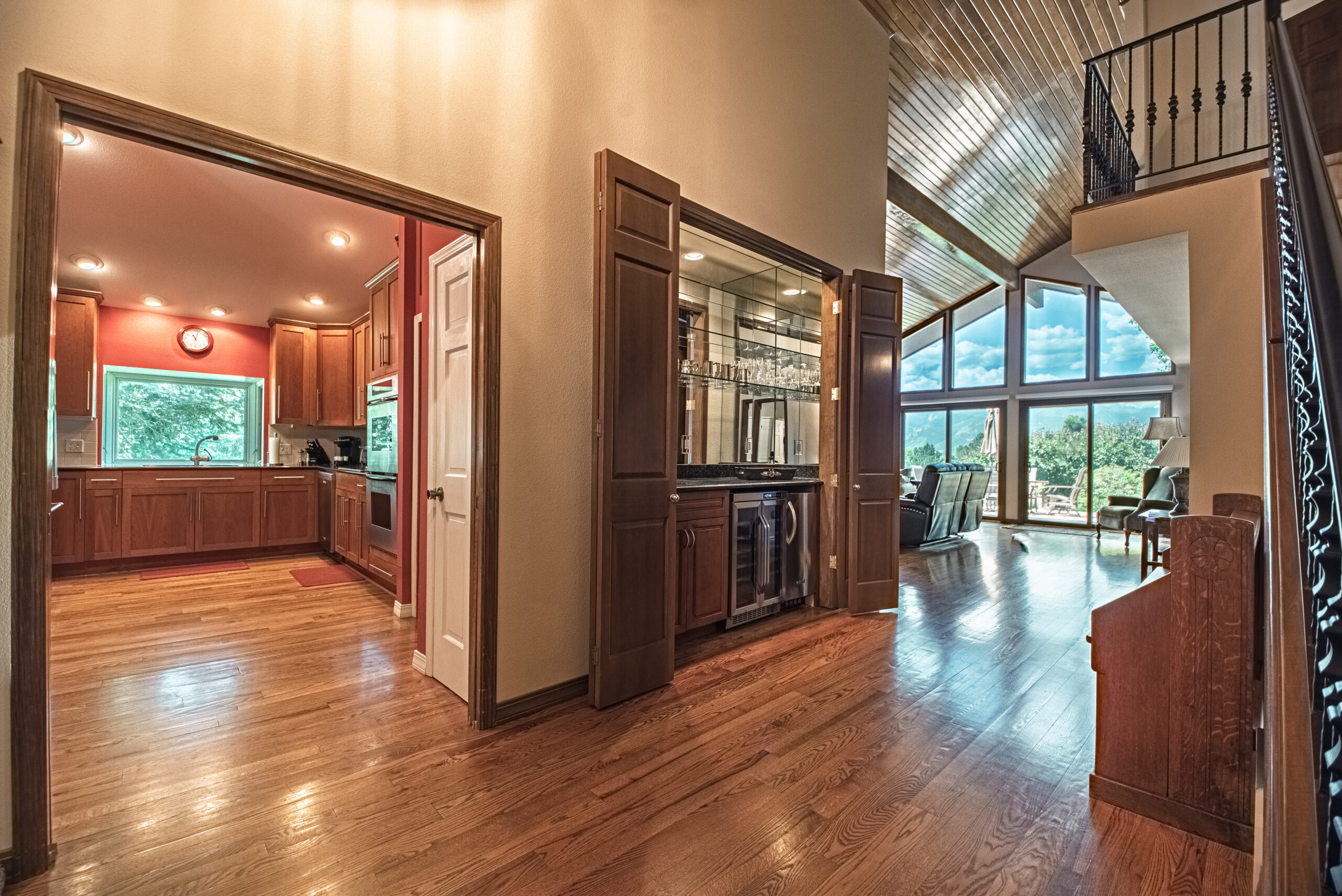
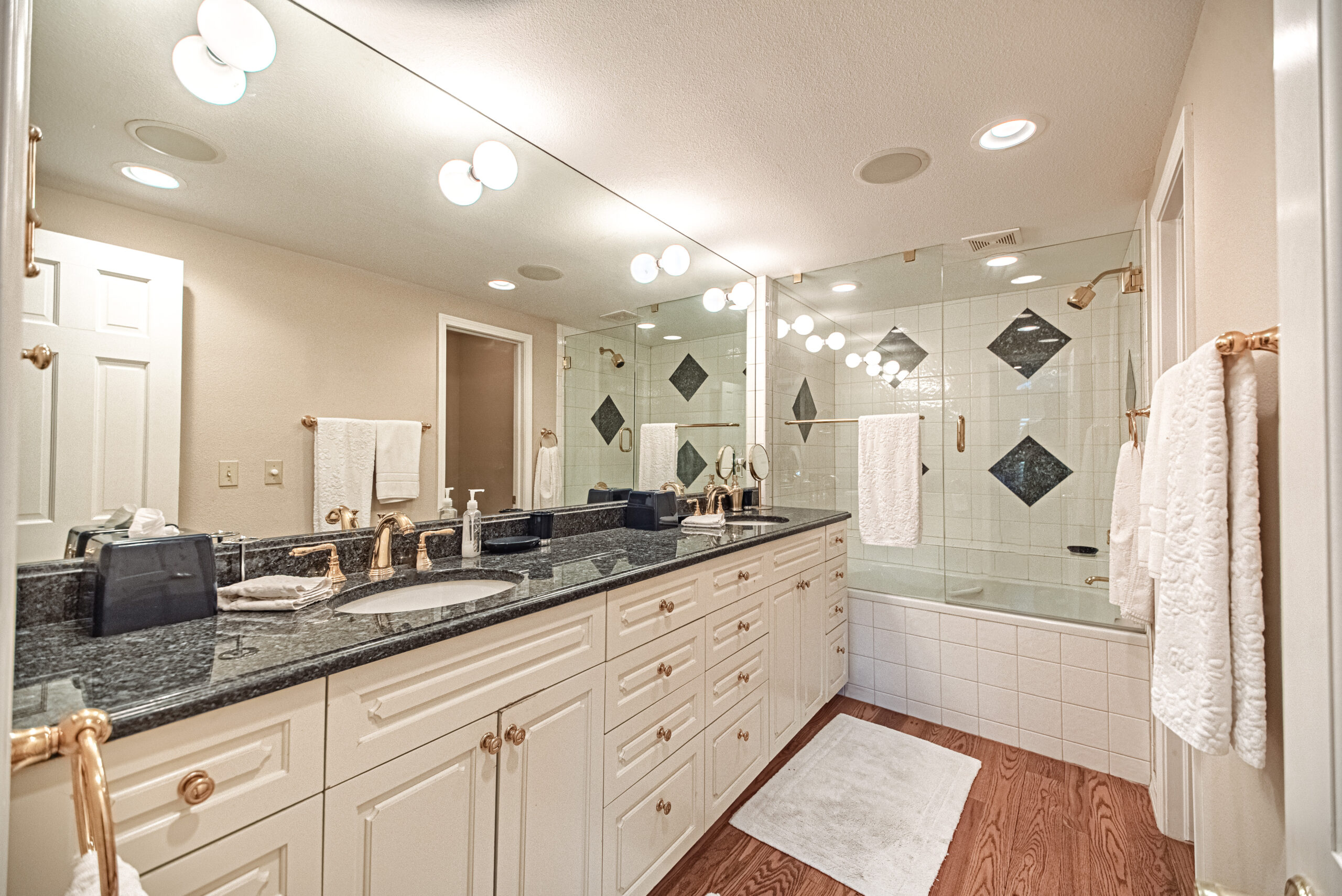
3570 Camels Ridge Lane Colorado Springs, CO 80904


Available Properties
Sign up for our Newsletter
Join the Progressive Property Group newsletter for helpful property management insights, Colorado real estate updates, community news, available property highlights, and practical resources for owners, investors, and residents.
Testimonials
Read what our clients have to say about working with us.

Location
Progressive Property Group
431 W Bijou Street, 80905
Colorado Springs, CO
Office hours
Mon–Thurs: 8:00 AM – 5:30 PM
Friday: 8:00 AM – 1:00 PM
Contact us
Phone: 719-634-6490 After-hours maintenance available 24/7. Call 719-761-9931